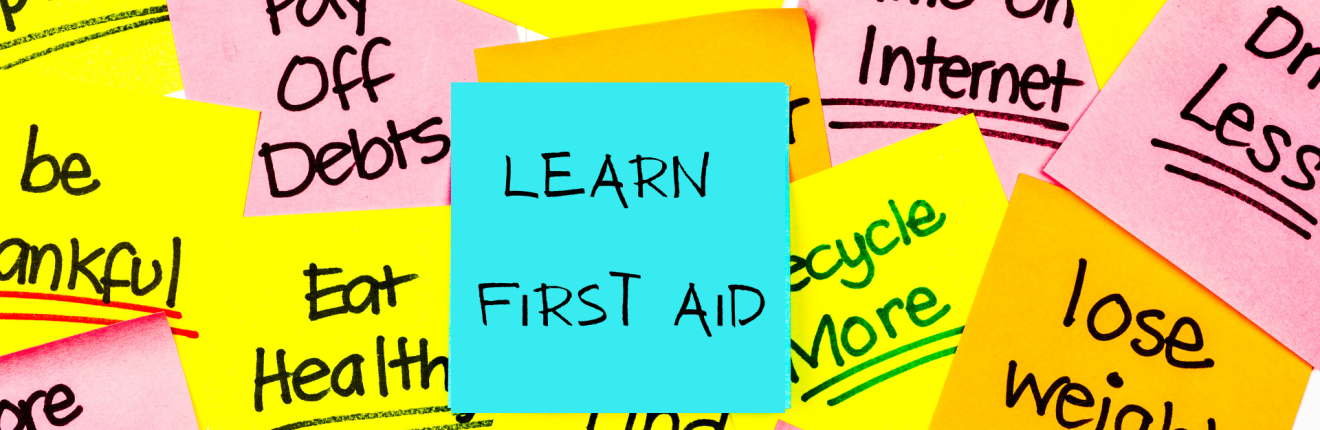
The start of a new year often brings a renewed focus on health, wellbeing and positive habits. We set goals to be fitter, more organised or more present with the people around us. One resolution that’s often overlooked, though, is being prepared to help our loved ones in a first aid emergency.
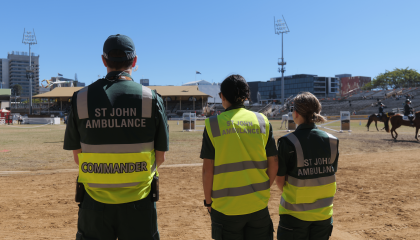
In Queensland, emergencies rarely arrive with warning. A medical episode at work or school, a heat-related illness at a backyard barbecue, a crash on a holiday drive, or unexpected wildlife appearing in flood-affected areas, in moments like these, the first person to respond is usually not a paramedic, but someone nearby.
That’s where first aid training really matters.
First Aid Is a Community Skill
First aid is often thought of as an individual capability, but its impact is collective. When more people in a community know what to do in an emergency, everyone benefits.
Communities with strong first aid knowledge are more resilient. They respond faster, feel more confident supporting one another, and are better placed to cope when emergency services are stretched or delayed. In the minutes before emergency help arrives, recognising warning signs, providing basic care and staying calm can reduce the severity of an injury, and sometimes save a life.
Why Bystanders Matter
In many emergencies, outcomes are shaped in the first few minutes. Conditions such as heat exhaustion, cardiac arrest, severe bleeding or anaphylaxis can escalate quickly without early care.
First aid training gives people the confidence to step in, to recognise when something isn’t right, call for help, and provide immediate support until professionals arrive. This is especially important in regional and remote areas, where response times can be longer and neighbours often rely on one another.
Summer Brings Added Risk
Queensland summers are made for getting outdoors, travelling and spending time with family and friends. They also bring increased risk. Heat, humidity, storms, busy roads and water activities all contribute to a higher likelihood of injury or illness at this time of year.
First aid knowledge helps people respond to common summer emergencies such as heat-related illness, dehydration, burns, bites and stings, road trauma and outdoor injuries. Being prepared isn’t about expecting the worst, it’s about knowing you can act if something goes wrong.
First Aid and Disaster Preparedness
First aid training also plays an important role before, during and after disasters. Severe weather events can disrupt power, transport and access to immediate care, placing greater pressure on communities.
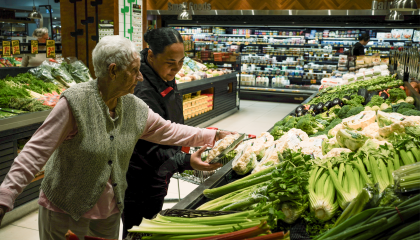
When people have first aid skills, they are better equipped to support vulnerable neighbours, manage minor injuries safely and help ease the load on emergency services. Prepared communities recover more quickly, not just physically, but socially too.
Building a Culture of Care
Learning first aid does more than teach practical techniques. It builds awareness, empathy and a shared sense of responsibility for one another.
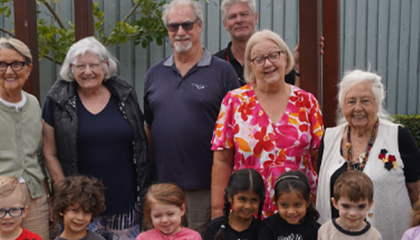
In workplaces, schools, sporting clubs and volunteer organisations, this confidence to step forward helps create environments where safety is valued, people look out for each other, and support is part of everyday life.
A Resolution That Makes a Difference
As the year begins, choosing to prioritise safety is a practical and meaningful step. First aid training is an investment not just in personal knowledge, but in the wellbeing of families, workplaces and communities across Queensland.
Whether it’s a summer emergency, a severe weather event or an everyday incident, first aid skills help people respond with confidence and care, when it matters most.
Make safety part of your New Year goals, and help build a stronger, more prepared community.